6.5 BUTYL RUBBERS
:-
DESCRIPTION:
Butyl rubber also known as polyisobutylene
is a synthetic rubber, a homopolymer of 2-methyl-1-propene.
Polyisobutylene is produced by polymerization of about
98% of isobutylene with about 2% of isoprene.
Structurally, polyisobutylene resembles polypropylene,
having two methyl groups substituted on every other
carbon atom. It has excellent impermeability, and the
long polyisobutylene segments of its polymer chains
give it good flex properties.
Polyisobutylene is a colorless to light yellow
elastic semi-solid or viscous substance. It is generally
odorless and tasteless, though it may exhibit a slight
characteristic odor.
APPLICATIONS:
A polyisobutylene (butyl rubber) is an impermeable
to air and used in many applications requiring an airtight
rubber. The first major application of butyl rubber
was tire inner tubes. This remains an important segment
of its market even today.
Polyisobutylene is also used in making adhesives,
agricultural chemicals, fiber optic compounds, caulks
and sealants, cling film, electrical fluids, paper and
pulp, personal care products, pigment concentrates,
for rubber and polymer modification, as a gasoline/diesel
fuel additive, and even in chewing gum.
NNS Chemicals (Private) Limited.
dealing with following types of Butyl Rubbers:
- Butyl Rubber – BK 1675 N
- Butyl Rubber – BK 1675 M
- Brominated Butyl Rubber BBK232
- Chloro-Butyl Rubber
ORIGIN: RUSSIA.
BRAND: NIZHNEKAMSK.
|


 SYNTHETIC
RUBBERS
SYNTHETIC
RUBBERS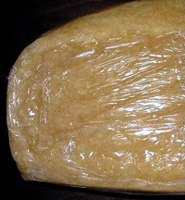
 newsletter sign up